October 2020

What is Poaching? | History of Poaching | How to Poach | Examples of poached foods | Sticky Red Wine Poached Pears Recipe | Pros and Cons of Poaching | Evolution of Poaching Equipment

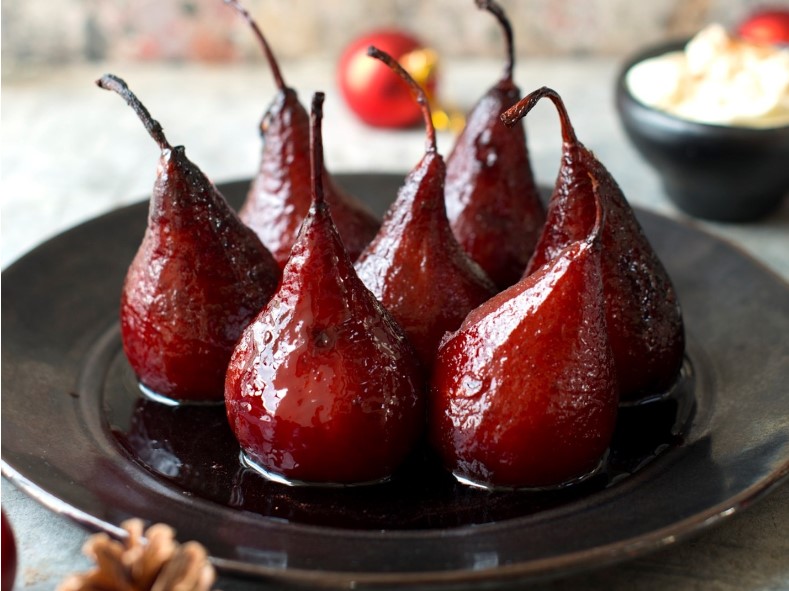
Poaching is linked directly with simmering, as poaching is a moderate process of cooking food in scarcely simmering fluid. The standard temperature range of poaching lies below the temperature condition of the simmering process i.e. 85 to 96ºC.
What is Poaching? | History of Poaching | How to Poach | Examples of poached foods | Sticky Red Wine Poached Pears Recipe | Pros and Cons of Poaching | Evolution of Poaching Equipment Read More »

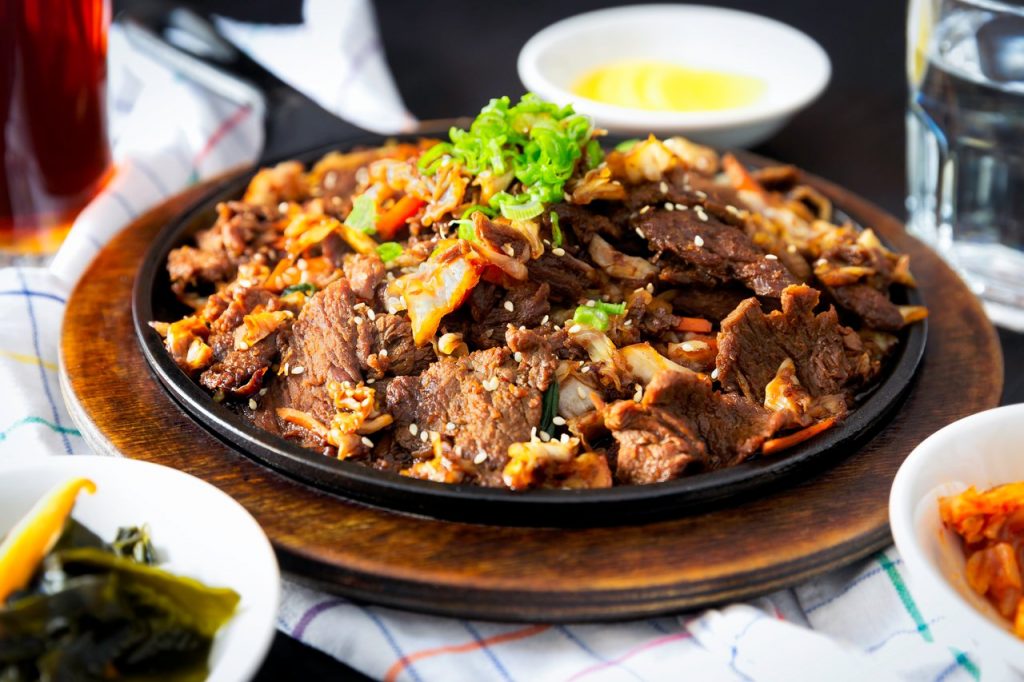
What is Grilling? | History of Grilling | Pros and Cons of Grilled Foods | Examples of Grilled Foods | California Grilled Chicken Recipe | Evolution of Grilling Tools

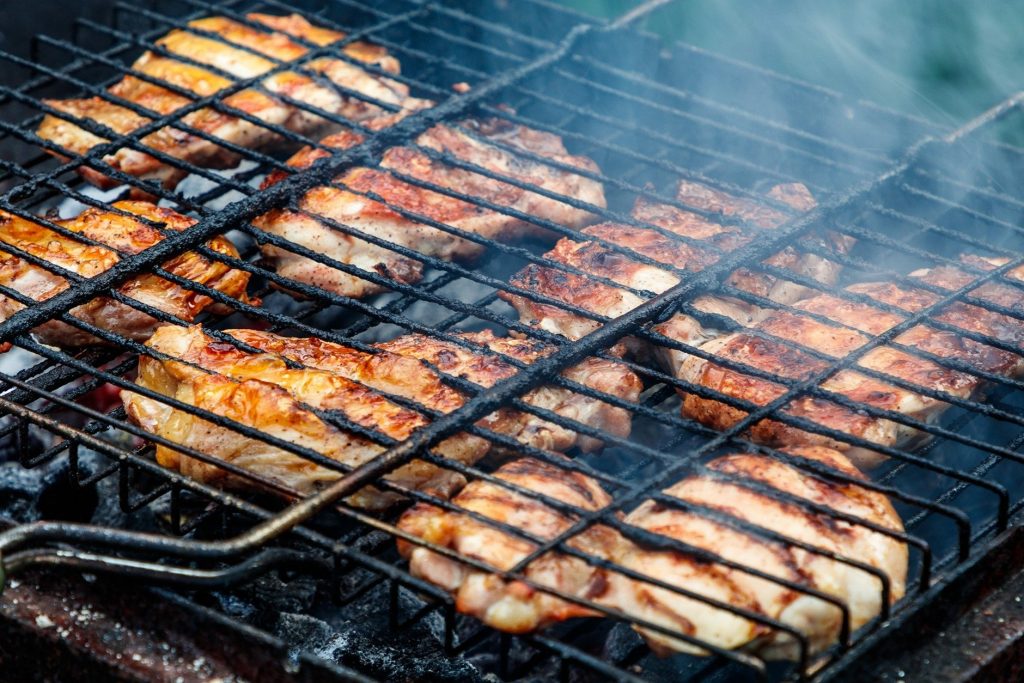
Grilling is a cooking method using direct heat touching the surface of the food from above, below, or from the sides. The name grilling is given due to the use of the grill on which the pieces of meat and/or vegetables are placed to get that crispiness and enhanced texture in a few minutes.

What is Grilling? | History of Grilling | Pros and Cons of Grilled Foods | Examples of Grilled Foods | California Grilled Chicken Recipe | Evolution of Grilling Tools Read More »

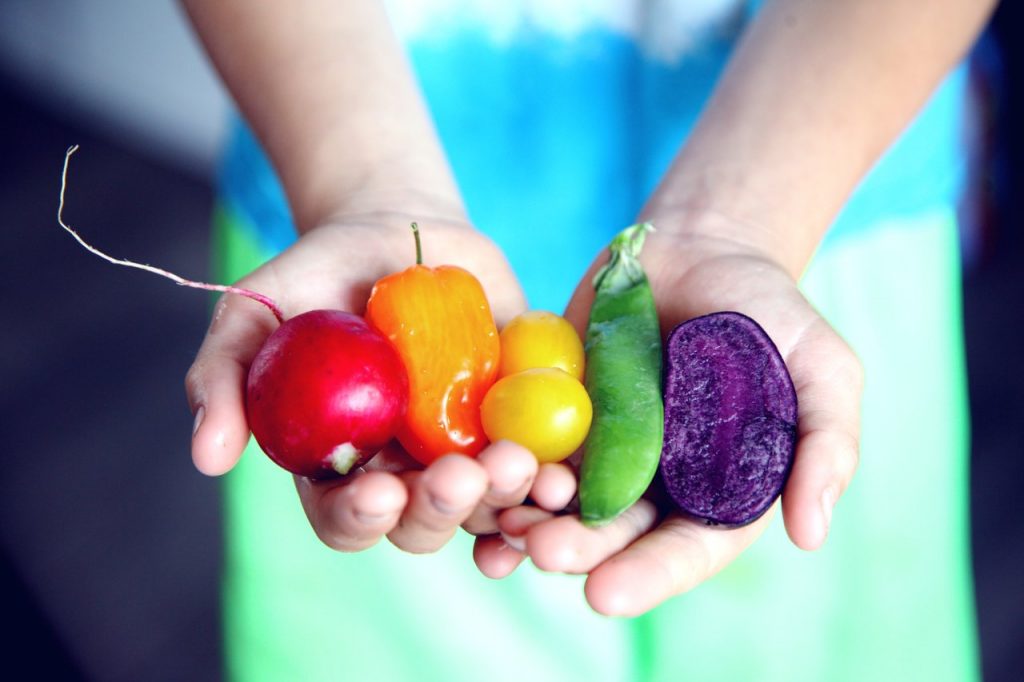
What is blanching | History of Blanching | Examples of Blanched Foods | How to Blanch Fruits and Vegetables

Blanching is a food preservation trick for the retention of color, texture, flavor, and nutritional content while keeping the outer surface soft and giving the inner surface a little crisp. This process lessens the natural loss and is specially made for perishable foods like fruits and vegetables.

What is blanching | History of Blanching | Examples of Blanched Foods | How to Blanch Fruits and Vegetables Read More »

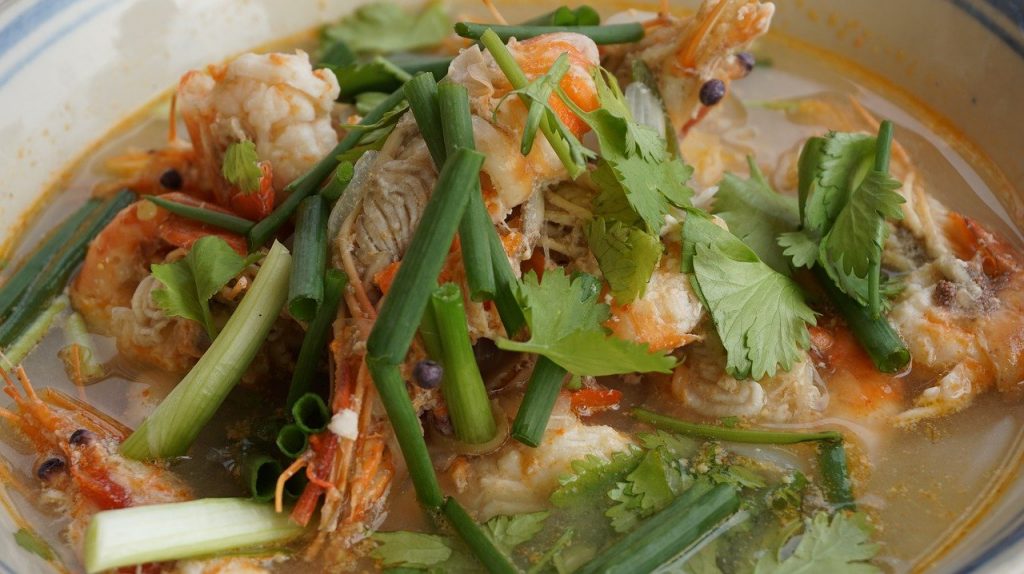
shrimp soup

What is Boiling | History of Boiling | Pros and Cons of Boiling | Examples of Boiled Foods and Recipes

Boiling is the most primitive technique which involves the usage of water for cooking purposes. The water is boiled at 100 degrees or 212 °F temperature until the bubbles vigorously start hitting the surface of the water. Dry seasonings are added in the boiling water to ensure the perfect blend of the flavors in the food.

What is Boiling | History of Boiling | Pros and Cons of Boiling | Examples of Boiled Foods and Recipes Read More »