
Baking Without Sugar Or Artificial Sweeteners
Have you ever wondered how to bake delicious treats without using sugar or artificial sweeteners? The idea might sound challenging at first, but it turns out that the world of sugar-free baking offers a myriad of options that are both tasty and healthy. Whether you’re baking for dietary reasons or simply trying to make healthier choices, several natural alternatives can make your desserts just as delightful as their sugary counterparts.
The Basics of Baking Without Sugar
Baking without sugar involves finding suitable replacements that provide sweetness and texture without compromising the quality of your baked goods. Two primary approaches are using natural sweeteners and sugar substitutes.
Why Avoid Sugar and Artificial Sweeteners?
There are several reasons you might choose to avoid sugar and artificial sweeteners in your baking. These include health concerns such as diabetes, the desire to reduce calorie intake, or simply wanting to avoid the potential negative effects of artificial ingredients. Natural sweeteners often have added benefits such as vitamins, minerals, and antioxidants.
Natural Sweeteners for Baking
Natural sweeteners are derived from whole foods and can serve as excellent replacements for refined sugar. They provide varying levels of sweetness and have unique flavors.
Honey
Honey is a natural, unprocessed sweetener that is sweeter than sugar. When baking with honey, you need to adjust your recipes slightly – typically reducing the amount of liquid since honey is more viscous than sugar.
Pros:
- Adds moisture to baked goods
- Contains antioxidants and vitamins
- Has a unique flavor profile
Cons:
- Higher calorie content than some other sweeteners
- Does not mix well with all ingredients
Maple Syrup
Like honey, maple syrup is a natural sweetener with a rich flavor. It’s particularly great for recipes that need a hint of caramel or toffee-like taste.
Pros:
- Rich in minerals such as calcium, potassium, and iron
- Adds depth of flavor
Cons:
- Expensive compared to other sweeteners
- High in calories
Date Paste
Date paste is made by blending dates into a smooth, thick consistency. It’s an excellent sweetener for baking because it also adds fiber to your recipes.
Pros:
- High in fiber and nutrients
- Provides a rich, caramel-like sweetness
Cons:
- Can alter the texture of baked goods
- Requires preparation before use
Baking with Fruits
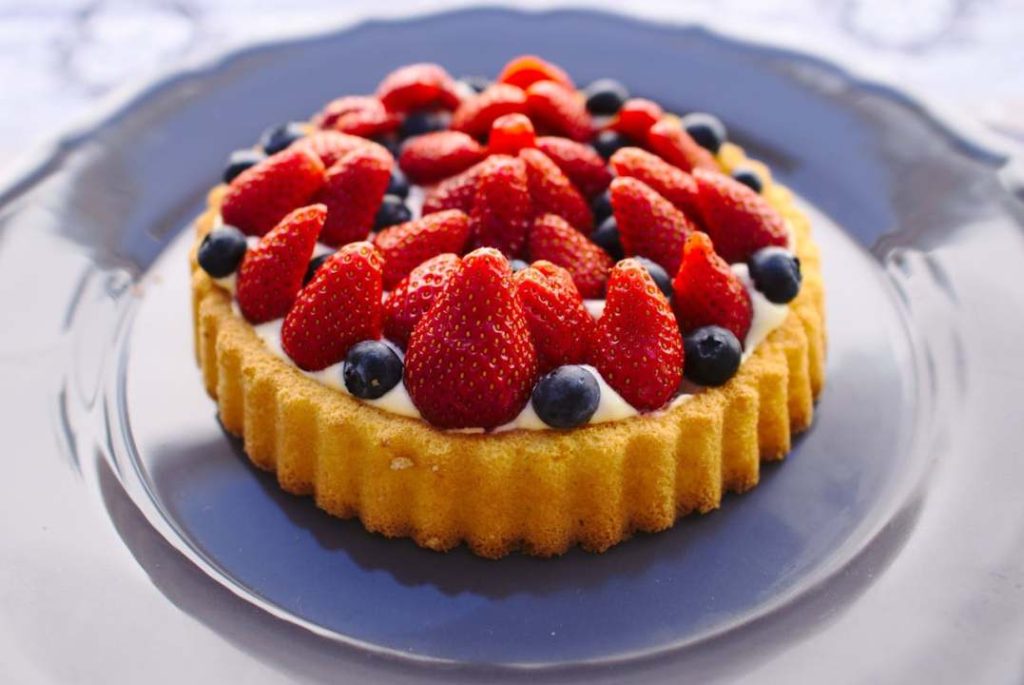
Fruits add natural sweetness and moisture to baked goods, making them ideal for sugar-free baking. Below are some popular fruits used in baking.
Bananas
Mashed bananas can significantly sweeten your baked items and also serve as a fat substitute in recipes, making them doubly beneficial.
Pros:
- Naturally sweet and widely available
- Adds moisture and richness to recipes
Cons:
- Strong banana flavor that might not suit all baked goods
Applesauce
Unsweetened applesauce is another versatile fruit substitute. It can replace both sugar and fat in many recipes.
Pros:
- Low in calories
- Easily available and affordable
- Adds moisture to baked goods
Cons:
- Mild flavor, may not add much sweetness
Berries
Berries like blueberries, strawberries, and raspberries can be used either whole or pureed to sweeten desserts naturally while adding a burst of flavor.
Pros:
- Rich in antioxidants and vitamins
- Adds both sweetness and tang
Cons:
- Can increase the liquid content in your recipe
- Seasonal availability and cost
Sugar Substitutes in Baking
Sugar substitutes are products designed to replicate the sweetness of sugar without its caloric content. They can be either natural or artificial, but for the purpose of this article, we will focus on natural sugar substitutes.
Stevia
Stevia is a plant-based sweetener that is significantly sweeter than sugar. It’s available in both liquid and powdered forms.
Pros:
- Zero calories and carbs
- Heat-stable and safe for baking
Cons:
- Can have a bitter aftertaste
- Requires precise measuring due to its potent sweetness
Erythritol
Erythritol is a sugar alcohol that tastes almost like sugar but has fewer calories. It’s commonly used in low-carb and keto baking.
Pros:
- Low in calories
- Does not raise blood sugar levels
Cons:
- May cause digestive issues if consumed in large amounts
- Less sweet than sugar, requiring more volume in recipes
Xylitol
Xylitol is another sugar alcohol that looks and tastes like sugar. It’s great for baking and has the added benefit of being good for dental health.
Pros:
- Low glycemic index
- Same sweetness level as sugar
Cons:
- Can be toxic to pets
- May cause digestive issues
Adapting Recipes for Sugar-Free Baking
When it comes to adapting your favorite recipes to be sugar-free, there are a few general tips that can make the transition smoother.
Adjusting Liquids and Dry Ingredients
When using liquid sweeteners like honey or maple syrup, you may need to reduce the amount of other liquids in the recipe to maintain the correct consistency. For dry sweeteners like stevia or erythritol, you might have to compensate by slightly increasing other dry ingredients.
Balancing Flavors
Some sugar substitutes and natural sweeteners have distinct flavors that can impact the final taste of your baked goods. Balancing these flavors by combining different sweeteners or adding spices like cinnamon and nutmeg can help improve the overall profile.
Baking Without Sugar or Sweetener: A Sample Recipe
Here’s a simple recipe for sugar-free banana bread to get you started.
Sugar-Free Banana Bread
Ingredients:
- 3 ripe bananas, mashed
- 1/3 cup melted coconut oil
- 1 tsp vanilla extract
- 1 tsp baking soda
- A pinch of salt
- 1.5 cups of whole wheat flour
- 1/4 cup milk (dairy or non-dairy)
Instructions:
- Preheat your oven to 350°F (175°C) and grease a bread loaf pan.
- In a large bowl, mix the mashed bananas, coconut oil, and vanilla extract.
- Add baking soda and salt to the mixture and stir well.
- Gradually add the flour, mixing until the batter is smooth.
- Pour in the milk and mix until fully incorporated.
- Pour the batter into the loaf pan and bake for 50-60 minutes, or until a toothpick inserted into the center comes out clean.
- Allow the bread to cool before slicing and serving.
Common Challenges and Solutions
Baking without sugar or artificial sweeteners can pose unique challenges, but they are not insurmountable.
Challenge: Texture
One of the common issues when baking without sugar is the change in texture. Sugar adds volume and tenderness to baked goods.
Solution: Using ingredients like applesauce or mashed bananas can help retain moisture and texture. You can also try adding a bit more baking powder or soda to make your baked goods rise properly.
Challenge: Sweetness Level
Finding the right balance of sweetness can be tricky, especially if you’re using potent sweeteners like stevia.
Solution: Start with smaller quantities and gradually increase until you reach the desired sweetness. Combining different sweeteners can also help achieve a more balanced flavor.
Challenge: Consistency
Sometimes, your batter might turn out too thick or too thin because natural sweeteners vary in density and liquidity.
Solution: Adjust the amount of wet and dry ingredients accordingly. For instance, if using honey or syrup, reduce other liquids in the recipe. For dry sweeteners, consider adding a bit more liquid.
Health Benefits of Sugar-Free Baking
Switching to sugar-free baking has multiple health benefits.
Improved Blood Sugar Control
For those with diabetes or insulin resistance, using natural sweeteners and substitutes can help manage blood glucose levels better.
Reduced Caloric Intake
Many sugar substitutes have a much lower calorie content compared to refined sugar. This can aid in weight management and reduce the risk of obesity.
Enhanced Nutritional Value
Natural sweeteners often come with added benefits such as antioxidants, vitamins, and minerals that refined sugar lacks.
Better Dental Health
Using sweeteners like xylitol can contribute to better dental health by reducing cavities and improving overall oral hygiene.
Frequently Asked Questions
Can I use the same amount of substitutes as sugar in recipes?
No, the amount varies depending on the sweetener. Honey and maple syrup are sweeter than sugar, so you’ll need less. Stevia and erythritol, on the other hand, each have specific conversion rates.
Are natural sweeteners healthier than artificial sweeteners?
In general, natural sweeteners are considered healthier because they come with additional nutrients and have fewer potential risks. However, the healthiest choice will depend on your individual health needs.
Is it more expensive to bake without sugar?
This can vary. Some sweeteners like honey and maple syrup are more expensive than sugar, while others like applesauce and bananas are quite affordable. It’s about finding the balance that works for your budget and taste preferences.
Can I mix different natural sweeteners?
Yes, mixing different sweeteners can balance out flavors and provide a more rounded sweetness to your baked goods.
Conclusion
Baking without sugar or artificial sweeteners doesn’t have to be daunting. With a little creativity and the right ingredients, you can create delicious, healthier baked goods that everyone will love. From natural sweeteners like honey and maple syrup to fruits like bananas and berries, the alternatives are plentiful and offer various health benefits. So, next time you’re in the mood to bake, consider one of these sugar-free options—you might be pleasantly surprised by the results!
Happy baking!