
Baking Without A Mixer
Have you ever wondered if you could bake delicious treats without the aid of a fancy mixer?
| Category | Details |
|---|---|
| Basic Tools | Wooden spoons: Great for mixing batters and doughs. |
| Whisk: Ideal for incorporating air into mixtures, like whipping eggs or cream. | |
| Spatula: Essential for folding delicate ingredients and scraping bowls. | |
| Rubber scraper: Perfect for getting every last bit out of bowls. | |
| Additional Tools | Hand mixer: Offers more power than manual mixing but less versatility than a stand mixer. |
| Food processor: Useful for chopping, grating, and even making doughs. | |
| Baking Techniques | Manual mixing: For simple recipes, use a wooden spoon or whisk for mixing. |
| Whisking: Incorporate air into batters and doughs for lighter textures. | |
| Folding: Gently combine delicate ingredients without deflating them. | |
| Kneading: Develop gluten in bread doughs by working it with your hands. | |
| Recipe Selection | Choose recipes designed for hand mixing: Many recipes are adaptable. |
| Opt for simpler bakes: Cookies, brownies, and quick breads are often easier to make without a mixer. | |
| Experiment with different techniques: You might discover new favorites. | |
| Tips | Be patient: Manual mixing takes more time and effort. |
| Build arm strength: Regular hand mixing can improve your baking skills. | |
| Don’t be afraid to experiment: Baking is a creative process. | |
| Food processor: Useful for chopping, grating, and even making dough. |
Why Consider Baking Without a Mixer?
Baking can be enjoyable and rewarding, but the thought of needing expensive equipment like a stand mixer often deters people. The truth is, you can create delectable baked goods using basic tools you likely already have in your kitchen. This article will show you how, offering tips, tricks, and simple recipes specifically designed for mixing by hand.
Advantages of Baking Without a Mixer
First, let’s highlight the advantages of ditching the electric mixer:
- Cost-Effective: Stand mixers can be costly. Baking without one frees you from the expense.
- Convenient: No need to haul out a bulky machine. Just grab a bowl and a spoon.
- Control: Mixing by hand allows better control over the texture and consistency of your batter.
- Quiet: No noisy machine means you can bake early in the morning or late at night without disturbing others.
Essential Tools for Manual Baking
You don’t need much to get started with manual baking. Here are some basics:
- Wooden Spoon or Silicone Spatula: Ideal for creaming butter and sugar.
- Whisk: Great for mixing wet ingredients or incorporating air into your batter.
- Mixing Bowls: Various sizes for different recipes.
- Measuring Cups and Spoons: Precision is key in baking.
- Sifter: Ensures dry ingredients like flour are light and lump-free.
- Rubber Scraper: Helps to scrape every bit of batter from the bowl.
Techniques for No Mixer Baking
When baking without a mixer, there are specific techniques to master. Let’s explore some essential methods.
Creaming by Hand
Creaming butter and sugar together creates a light and fluffy base for your cookies and cakes. Here’s how to do it manually:
- Soften the Butter: Leave butter at room temperature until pliable.
- Add Sugar: Combine butter and sugar in a bowl.
- Mix Well: Use a wooden spoon or whisk to beat the mixture until it’s light and fluffy, incorporating as much air as possible.
Incorporating Dry Ingredients
When adding dry ingredients:
- Sift First: Sifting flour, baking powder, and other dry ingredients helps to aerate them.
- Fold Gently: Use a spatula to fold the ingredients into the batter gently, preserving the airiness.
Whipping Cream and Egg Whites
While whipping cream or egg whites by hand can be labor-intensive, it’s achievable:
- Cold is Key: Chill your bowl and whisk in ice before starting.
- Steady Motion: Use a firm, steady circular motion to incorporate air and create peaks.

Simple, No-Mixer Recipes
Ready to put those techniques to use? Here are some easy recipes that don’t require an electric mixer.
No-Mixer Chocolate Chip Cookies
Ingredients:
| Ingredient | Quantity |
|---|---|
| All-purpose flour | 2 1/4 cups |
| Baking soda | 1 teaspoon |
| Salt | 1/2 teaspoon |
| Butter | 1 cup |
| Brown sugar | 3/4 cup |
| Granulated sugar | 3/4 cup |
| Vanilla extract | 1 teaspoon |
| Egg | 1 large |
| Chocolate chips | 2 cups |
Instructions:
- Prepare the Oven: Preheat to 375°F (190°C).
- Mix Dry Ingredients: Combine flour, baking soda, and salt in a small bowl.
- Cream Butter and Sugars: In a larger bowl, cream together the softened butter, brown sugar, and granulated sugar until light and fluffy.
- Add Wet Ingredients: Stir in the egg and vanilla extract.
- Combine: Gradually add the dry ingredients, stirring until just combined. Fold in the chocolate chips.
- Bake: Drop by rounded tablespoon onto ungreased baking sheets and bake for 10-12 minutes or until golden brown.
Hand-Mixed Banana Bread
Ingredients:
| Ingredient | Quantity |
|---|---|
| All-purpose flour | 2 cups |
| Baking soda | 1 teaspoon |
| Salt | 1/4 teaspoon |
| Ripe bananas | 3 medium |
| Melted butter | 1/3 cup |
| Brown sugar | 3/4 cup |
| Egg | 1 large |
| Vanilla extract | 1 teaspoon |
| Chopped nuts (optional) | 1/2 cup |
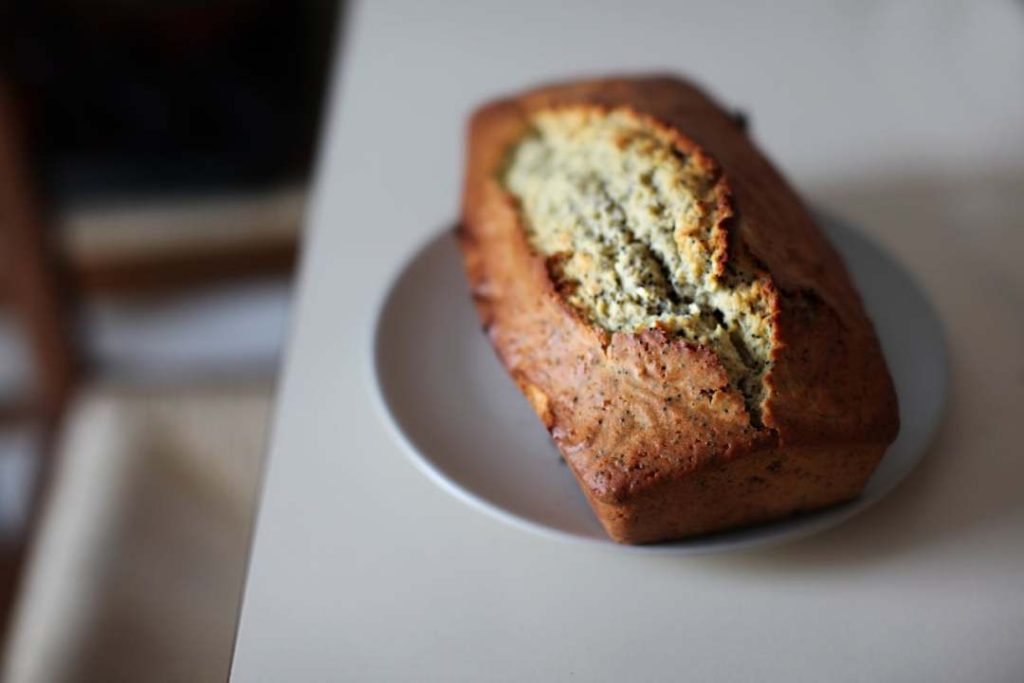
Instructions:
- Prepare Oven and Pan: Preheat to 350°F (175°C) and grease a 9×5 inch loaf pan.
- Mix Dry Ingredients: Combine flour, baking soda, and salt in a bowl.
- Mash Bananas: In another bowl, mash the bananas with a fork.
- Mix Wet Ingredients: Stir in melted butter, brown sugar, egg, and vanilla into the mashed bananas.
- Combine: Gradually add the dry ingredients to the banana mixture, stirring until combined. Fold in nuts if using.
- Bake: Pour batter into the prepared pan and bake for about 60 minutes, or until a toothpick inserted in the center comes out clean.
Frequently Asked Questions
Can You Achieve the Same Results Without a Mixer?
Yes, though it might take more effort. Manual mixing can achieve similar results to an electric mixer if proper technique and tools are employed.
How Can I Make Mixing Easier?
Using room temperature ingredients and taking your time with each step can make manual mixing easier. Additionally, using a whisk for wet ingredients and a spatula for folding in dry ingredients can improve your efficiency.
Stand Mixer Alternatives
Sometimes, you may need a little bit more muscle than a whisk or a spoon can provide, but you still don’t want to use an electric stand mixer. Here are some viable alternatives:
- Hand Crank Mixer: Provides mechanical assistance without electricity.
- Pastry Blender: Useful for cutting butter into the flour for pastries.
- Danish Dough Whisk: Known for its efficiency in mixing dough without overworking it.
- Electric Hand Mixer: Though electric, it’s a more compact and less expensive option than a stand mixer.
Troubleshooting Common Issues
Manual baking can come with its own set of challenges. Here are some quick fixes:
Batter Too Dense
- Problem: Over-mixing or not enough air incorporated.
- Solution: Mix until just combined and use a whisk to add more air.
Ingredients Not Blending Well
- Problem: Butter or other ingredients are too cold.
- Solution: Ensure all ingredients are at room temperature before mixing.
Uneven Baking
- Problem: Batter not evenly mixed.
- Solution: Scrape down the bowl often while mixing to ensure uniformity.
Elevating Your Baking Game
Once you’re comfortable with the basics, consider experimenting to elevate your baking:
- Flavor Infusions: Add zest, extracts, or spices to your batter.
- Texture Variations: Incorporate nuts, dried fruit, or chocolate chunks.
- Toppers: A sprinkle of sea salt, a drizzle of glaze, or a dusting of powdered sugar can enhance the finished product.
Conclusion
Baking without a mixer opens up a world of possibilities that are cost-effective, convenient, and incredibly satisfying. With a few essential tools and techniques, you can create delicious baked treasures right in your kitchen. So next time you find a recipe that calls for a stand mixer, remember: you can still make it marvelous by mixing by hand.
Happy baking!