
Are you wondering if sour cream can be a healthy addition to your weight loss journey? Well, you’ll be glad to know that sour cream can actually be a nutritious choice when consumed in moderation. Packed with essential nutrients like calcium and vitamin D, sour cream can contribute to bone health and boost your immune system. Additionally, its high fat content can keep you feeling full for longer, potentially preventing overeating. However, it’s important to be mindful of portion sizes and opt for low-fat or light versions to keep the calorie count in check. So, let’s delve into the details and find out more about the potential benefits and considerations of including sour cream in your weight loss plan.
Best ways to increase low brown adipose tissue levels naturally!
Understanding Sour Cream
What is sour cream?
Sour cream is a dairy product that is made by fermenting regular cream with lactic acid bacteria. It is commonly used as a condiment or ingredient in various dishes. Sour cream has a creamy texture and a tangy flavor, which adds a delightful element to many recipes.
How is sour cream made?
The process of making sour cream involves adding lactic acid bacteria to regular cream and allowing it to ferment for a specific period. The bacteria consume the lactose present in the cream and produce lactic acid as a byproduct, which gives sour cream its characteristic tangy taste. The fermentation process also thickens the cream, resulting in its velvety texture.
Types of sour cream
There are different types of sour cream available in the market, which vary in terms of their fat content. Full-fat sour cream contains about 18-20% fat, while light sour cream typically has a fat content of around 10-12%. There are also non-fat or fat-free versions of sour cream available for those who are watching their fat intake.
Nutritional Composition of Sour Cream
Calories in sour cream
Sour cream is relatively high in calories due to its fat content. One tablespoon of regular sour cream contains approximately 28-30 calories. The exact calorie count may vary depending on the brand and fat content of the sour cream. It is important to keep this in mind when incorporating sour cream into a weight loss diet and consume it in moderation.
Protein content
Sour cream contains a small amount of protein. One tablespoon of regular sour cream generally provides around 0.5-1 gram of protein. While this may not seem like much, it can still contribute to your overall protein intake for the day. Protein is essential for building and repairing tissues and can help keep you feeling full and satisfied.
Fats in sour cream
Sour cream is a significant source of fats, primarily saturated fats. One tablespoon of regular sour cream contains around 2.5-3 grams of fat, with most of it being saturated fat. High intake of saturated fats has been linked to an increased risk of heart disease. If you are looking to lose weight, it is advisable to choose lower-fat alternatives or consume sour cream in moderation.
Vitamins and minerals
Sour cream is a good source of several vitamins and minerals. It contains vitamins A, D, and E, which are important for overall health. These vitamins play a role in maintaining healthy skin, supporting immune function, and promoting proper bone health. Sour cream also provides small amounts of calcium and phosphorus, essential minerals for strong bones and teeth.

Sour Cream and Weight Loss
Role of sour cream in weight management
Sour cream can be part of a balanced weight loss diet when consumed in moderation. While it does contain calories and fats, it can provide flavor and texture to meals, making them more enjoyable and satisfying. Including small amounts of sour cream in your meals may help prevent feelings of deprivation and promote dietary adherence.
How sour cream can contribute to weight loss
Sour cream can contribute to weight loss by providing a sense of satisfaction and enhancing the flavor of meals. When used in moderation, it can add creaminess and richness to dishes, making them more gratifying to the palate. This can prevent overeating of other high-calorie foods or indulging in unhealthy food choices due to feeling unsatisfied with bland meals.
The debate over sour cream and weight loss
While sour cream can be part of a healthy weight loss diet, it is important to be mindful of portion sizes and overall calorie intake. The high fat content of sour cream can contribute to calorie surplus if consumed excessively. It is recommended to opt for lower-fat alternatives or use sour cream sparingly in combination with other healthy ingredients.
Health Benefits of Sour Cream
Digestive health benefits
Sour cream contains probiotics, which are beneficial bacteria that support and improve gut health. These probiotics can aid in digestion, promote a healthy balance of gut flora, and enhance nutrient absorption. Including sour cream in your diet in moderation can contribute to a healthy digestive system.
Bone health benefits
Sour cream is a good source of calcium and phosphorus, essential minerals for maintaining strong bones and teeth. Adequate intake of these minerals can help prevent conditions such as osteoporosis and promote overall bone health. Incorporating sour cream into your diet, along with other calcium-rich foods, can contribute to optimal bone health.
Heart health benefits
While sour cream does contain saturated fats, studies have shown that not all saturated fats have the same effect on heart health. Some research suggests that moderate consumption of full-fat dairy products, like sour cream, may not have a detrimental effect on cardiovascular health. However, it is still important to be mindful of portion sizes and overall fat intake when including sour cream in a weight loss diet.
Immunity boost
Sour cream contains vitamins A and D, which are known to play a role in supporting immune function. These vitamins can help strengthen the immune system, making it more effective in fighting off infections and illnesses. Including sour cream in your diet, along with other immune-boosting foods, can contribute to maintaining a robust immune system.

Risks and Precautions with Sour Cream
Potential health risks
One potential health risk associated with sour cream is the risk of foodborne illnesses. As sour cream is a dairy product, it can potentially harbor harmful bacteria if not stored or handled properly. It is important to check the expiration date, store sour cream in the refrigerator, and avoid consuming sour cream that appears spoiled or has an off smell or taste.
Allergy concerns
Some individuals may have allergies or sensitivities to dairy products, including sour cream. Symptoms of a dairy allergy can include digestive issues, skin rashes, or respiratory problems. If you suspect a dairy allergy or intolerance, it is advisable to avoid or limit the consumption of sour cream and consult with a healthcare professional for further evaluation.
Precautions when consuming sour cream
When incorporating sour cream into a weight loss diet, it is important to be mindful of portion sizes and overall calorie intake. Be aware of the fat content and choose lower-fat alternatives if necessary. Additionally, consider the other ingredients in the dish where sour cream is being used and ensure that the overall meal is balanced and nutritious.
Alternatives to Sour Cream for Weight Loss
Yogurt as an alternative
Yogurt can be a great alternative to sour cream for those looking to lose weight. It has a similar tangy flavor and creamy texture, but with lower calorie and fat content. Greek yogurt, in particular, is high in protein and lower in carbohydrates, making it a nutritious option. Substituting yogurt for sour cream in recipes can help reduce calorie intake while still enjoying the creamy goodness.
Cottage cheese for weight loss
Cottage cheese is another excellent substitute for sour cream in weight loss diets. It provides a creamy texture and can be used in various sweet and savory dishes. Cottage cheese is rich in protein and low in fat, making it a satisfying and nutritious alternative. It can be used as a topping, ingredient, or even blended into sauces and dressings.
Other dairy alternatives
For those who are lactose intolerant or prefer non-dairy options, there are several alternatives to sour cream. Plant-based alternatives made from ingredients like soy, almond, or cashews can be used as substitutes. These alternatives provide similar creaminess and texture, along with unique flavors. However, it is essential to check the nutrition labels of these alternatives, as they may vary in terms of calorie and fat content.

How to Incorporate Sour Cream into a Weight Loss Diet
Using sour cream in moderation
When using sour cream in a weight loss diet, portion control is key. Measure and use smaller amounts of sour cream to avoid excessive calorie intake. Consider using a teaspoon or tablespoon rather than large dollops. This allows you to enjoy the flavor and creaminess without adding unnecessary calories.
Healthy recipes with sour cream
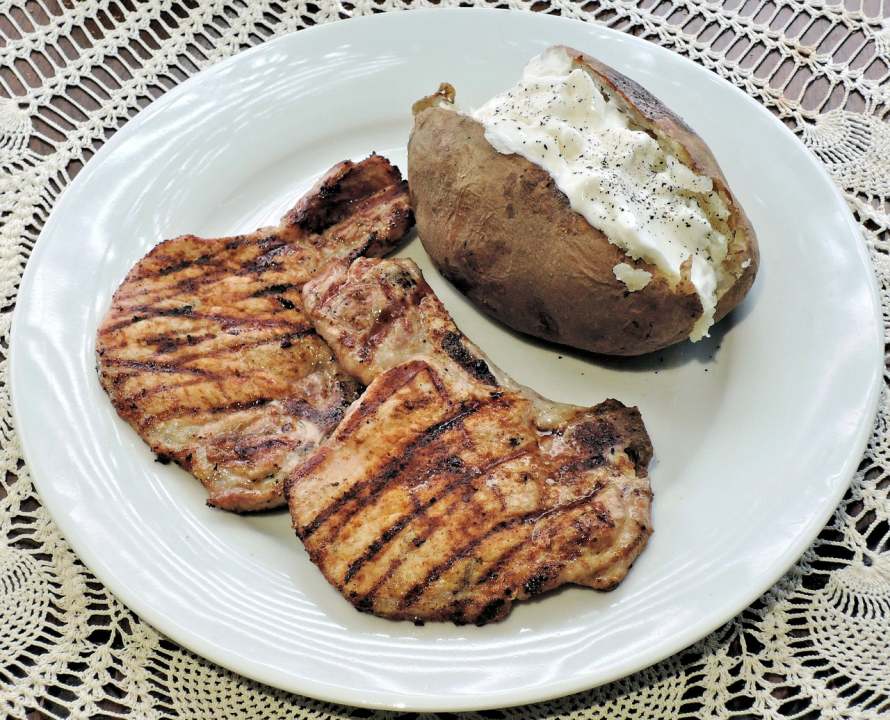
There are numerous ways to incorporate sour cream into healthy recipes. Use it as a topping for baked potatoes or chili instead of high-calorie alternatives like butter or cheese. Mix sour cream with herbs and spices to create flavorful dips or dressings for salads. Opt for healthier ingredients in combination with sour cream, such as fresh vegetables or lean proteins, to create balanced and delicious meals.
Pairing sour cream with other foods
Pairing sour cream with other foods can enhance the nutritional value of your meals. Add a dollop of sour cream to a vegetable-packed omelet or a whole-grain wrap filled with lean protein and veggies. This combination provides a satisfying and balanced meal that can aid in weight loss while still enjoying the creaminess of sour cream.
Scientific Studies on Sour Cream and Weight Loss
Current research findings
While there is limited specific research on the direct impact of sour cream on weight loss, studies have explored the effects of dairy products and their role in weight management. Some research suggests that the consumption of dairy products, including sour cream, may be associated with a reduced risk of obesity and metabolic syndrome. However, more research is needed to establish a direct link between sour cream and weight loss.
Limits of current studies
Most studies on dairy products and weight loss have focused on the overall effect of dairy consumption rather than specifically examining sour cream. Additionally, research may be limited by small sample sizes or confounding factors that can affect the study outcomes. It is important to interpret the findings in the context of overall dietary patterns and individual differences.
Future research prospects
Further research is needed to explore the specific effects of sour cream on weight loss and overall health. Future studies could investigate the impact of different types of sour cream, such as full-fat, light, or non-fat, on weight management outcomes. Additionally, examining the role of portion control and overall dietary patterns in relation to sour cream consumption could provide valuable insights.

Sour Cream Adds Flavor While on a Weight Loss Diet
Enhancing taste with sour cream
One of the significant advantages of incorporating sour cream into a weight loss diet is the flavor enhancement it provides. The tangy and creamy characteristics of sour cream can transform otherwise simple meals into flavorful delights. By adding a small amount of sour cream to dishes, you can elevate the taste profile, making it more enjoyable and satisfying.
Choosing the right sour cream
When selecting sour cream for your weight loss journey, it is essential to choose high-quality options. Look for sour cream with minimal additives or preservatives. Opt for brands that use natural ingredients and have a shorter ingredient list. Reading labels can help you make informed choices and select sour cream that aligns with your dietary goals.
Avoiding excessive usage
While sour cream can enhance the taste of meals, it should be used in moderation. Its calorie and fat content make it important to be mindful of portion sizes. Excessive usage can lead to calorie overload and hinder weight loss efforts. Remember that sour cream is a condiment and should be treated as such, with careful attention to its inclusion in overall meal planning.
FAQ on Sour Cream and Weight Loss
Can I eat sour cream on a diet?
Yes, you can eat sour cream on a diet. However, it is important to consume it in moderation and be mindful of its calorie and fat content. Use smaller amounts and consider choosing lower-fat alternatives or incorporating other healthier alternatives, such as yogurt or cottage cheese, into your diet as well.
Does sour cream make you gain weight?
Consuming excessive amounts of sour cream can contribute to weight gain due to its high caloric and fat content. However, when used in moderation as part of a balanced diet and a calorie-controlled meal plan, sour cream is unlikely to cause significant weight gain.
Is low-fat sour cream better for weight loss?
Low-fat sour cream can be a better option for weight loss due to its lower calorie and fat content compared to regular sour cream. However, it is important to note that the taste and texture may differ slightly. Be sure to read the labels and choose low-fat sour cream with minimal additives or preservatives for optimal health benefits.
In conclusion, sour cream can be enjoyed as part of a weight loss diet when consumed in moderation. It adds flavor and creaminess to meals, making them more enjoyable and satisfying. However, it is important to be mindful of portion sizes, choose lower-fat alternatives when possible, and incorporate other nutritious ingredients into your meals. Always consult with a healthcare professional or registered dietitian for personalized advice and guidance on incorporating sour cream into your weight loss journey.