
Baking Without Baking Soda
Have you ever started baking only to discover that you’re out of baking soda? It can be quite frustrating, but don’t worry—you’ve got plenty of options! This article will guide you through everything you need to know about baking without baking soda. Whether you’re missing just the baking soda or both baking soda and baking powder, or you simply want to try different alternatives, you’ll find useful tips and practical solutions right here.
Understanding Baking Soda and Its Role in Baking
Baking soda, also known as sodium bicarbonate, is an essential leavening agent in various recipes. But what exactly does it do? Essentially, baking soda helps your baked goods rise. When it reacts with acidic ingredients like lemon juice, yogurt, or buttermilk, it produces carbon dioxide gas, which creates lift in the dough or batter.
What Happens Without Baking Soda?
When you skip the baking soda, you risk having dense and flat baked goods. However, this doesn’t mean all hope is lost. There are several alternatives and adjustments you can make to achieve the desired texture and taste.
Suitable Alternatives for Baking Soda
The easiest way to replace baking soda is by using another leavening agent. Below are some common substitutes:
Baking Powder
Baking powder is a combination of baking soda and an acidic ingredient, so it’s often the go-to substitute. You’ll need to use more baking powder than baking soda. Typically, you can replace 1 teaspoon of baking soda with 3 teaspoons of baking powder.
| Baking Soda | Baking Powder |
|---|---|
| 1 tsp | 3 tsp |
Self-Rising Flour
Self-rising flour already contains baking powder and salt, making it a convenient option. If you’re using self-rising flour, you can leave out the baking soda, other leavening agents, and salt in the recipe.
| Ingredient | Amount |
|---|---|
| All-purpose flour | 1 cup |
| Baking powder | 1 1/2 teaspoons |
| Salt | 1/4 teaspoon |
Whipped Egg Whites
Whipped egg whites can add volume and lightness to your baked goods. When you whip egg whites, you incorporate air, which helps your recipe rise. Substitute 2 egg whites for 1 teaspoon of baking soda.
| Baking Soda | Egg Whites |
|---|---|
| 1 tsp | 2 whipped egg whites |
Cream of Tartar
Cream of tartar is an acidic powder that can activate baking soda when you’re making substitutions. If you have baking soda but lack an acidic ingredient, add 1/4 teaspoon of cream of tartar for every 1/2 teaspoon of baking soda.
| Baking Soda | Cream of Tartar |
|---|---|
| 1/2 tsp | 1/4 tsp |
Baker’s Ammonia
This old-fashioned leavening agent can be a substitute for baking soda, especially in cookie recipes. Keep in mind that it can leave an ammonia odor if not cooked fully. Use it in the same measure as baking soda.
| Baking Soda | Baker’s Ammonia |
|---|---|
| 1 tsp | 1 tsp |

Baking Without Both Baking Soda and Baking Powder
So, what do you do when you’re out of both baking soda and baking powder? It might seem like a challenge, but there are still ways to create delicious baked goods.
Self-Rising Flour to the Rescue
Self-rising flour is your best friend in this scenario. As mentioned before, it already contains the necessary leavening agents and salt. You can replace your regular flour with self-rising flour and skip the baking soda and baking powder.
Acidic Ingredients
Even in the absence of baking powder and baking soda, you can still incorporate acidic ingredients like yogurt, buttermilk, and vinegar into your recipe. Pair these with whipped egg whites to help your batter rise.
Use Yeast
Yeast is another leavening agent you can consider. While it’s commonly associated with bread instead of cakes or cookies, it’s a viable option for making your dough rise. Keep in mind that yeast requires time to work, so factor in extra proofing time.
Common Recipes Without Baking Soda
Here are some recipes you can try that naturally don’t require baking soda:
1. Pancakes
Fluffy pancakes can be made without baking soda.
Ingredients:
- 1 cup self-rising flour
- 1 cup milk
- 1 egg
- 2 tbsp melted butter
- 1 tbsp sugar
Instructions:
- Mix all ingredients until smooth.
- Heat a non-stick skillet over medium heat and pour batter.
- Cook until bubbles appear, then flip and cook until golden.
2. Sugar Cookies
Soft sugar cookies can easily be made without baking soda.
Ingredients:
- 2 3/4 cups all-purpose flour
- 1 cup butter, softened
- 1 1/2 cups sugar
- 1 egg
- 1 tsp vanilla extract
- 1/2 tsp cream of tartar
Instructions:
- Preheat oven to 350°F (175°C).
- Cream together butter and sugar, then beat in egg and vanilla.
- Gradually mix in flour and cream of tartar.
- Roll into balls, place on baking sheet, and flatten slightly.
- Bake for 8-10 minutes.
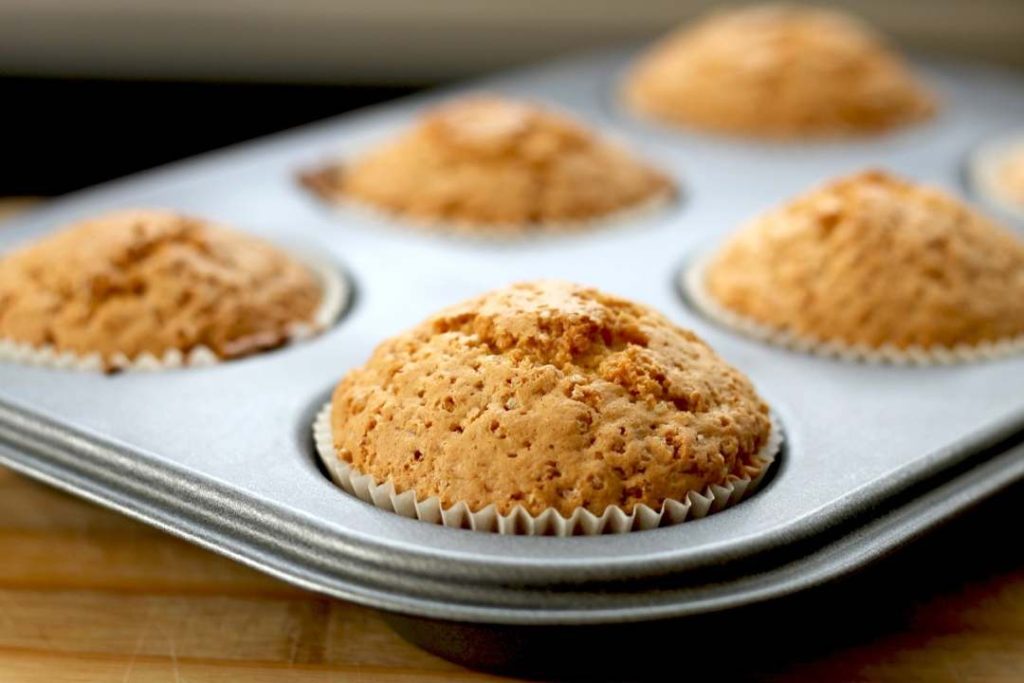
3. Simple Muffins
Here’s how you can make muffins without baking soda.
Ingredients:
- 2 cups self-rising flour
- 1/2 cup sugar
- 1 cup milk
- 1/4 cup melted butter
- 1 egg
- 1 tsp vanilla extract
Instructions:
- Preheat oven to 375°F (190°C) and line muffin tin.
- Combine all ingredients until just mixed.
- Fill muffin tin and bake for 20-25 minutes.
Key Points to Remember When Baking Without Baking Soda
Always Measure Correctly
Accurate measuring ensures consistent results. Use measuring cups and spoons for dry and wet ingredients to avoid any mishaps.
Understand the Role of Leavening Agents
Knowing how leavening agents work helps you make better substitutions. For example, in acidic recipes, baking soda neutralizes acidity while providing leavening.
Softened and Whipped Ingredients
Softened butter and whipped eggs add air and volume to your mix, serving as natural leavening agents.
FAQ: Baking Without Baking Soda
Can I Omit Baking Soda Altogether?
Omitting baking soda will result in denser baked goods. However, you can use substitutes like baking powder, self-rising flour, or whipped egg whites to achieve similar results.
Are There Recipes That Don’t Require Any Leavening Agents?
Yes, some recipes such as shortbread cookies and pound cakes don’t require any leavening agents. They rely on the creaming method for structure and volume.
Is There a Taste Difference When Using Substitutes?
Substitutes can sometimes slightly alter the taste and texture of your baked goods. For example, baking powder may create a slightly different flavor compared to baking soda.
What’s the Difference Between Baking Soda and Baking Powder?
Baking soda is pure sodium bicarbonate requiring an acidic ingredient to activate, while baking powder contains both an acid and a base. Therefore, baking powder can work independently in recipes.
Conclusion
Running out of baking soda doesn’t spell disaster for your baking endeavors. With a variety of substitutes like baking powder, self-rising flour, whipped egg whites, and cream of tartar, you can still enjoy light and fluffy baked goods. Understanding the role of leavening agents and how to measure ingredients accurately ensures baking success even without baking soda. Trying recipes designed without chemical leavening can also offer new and delicious experiences. So, share your new creations and enjoy the process of baking—sans baking soda!