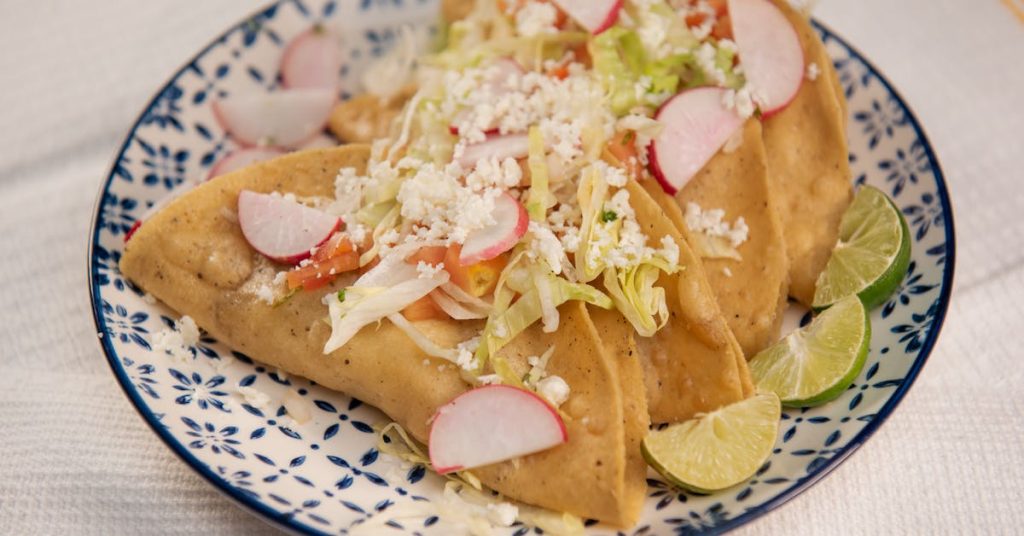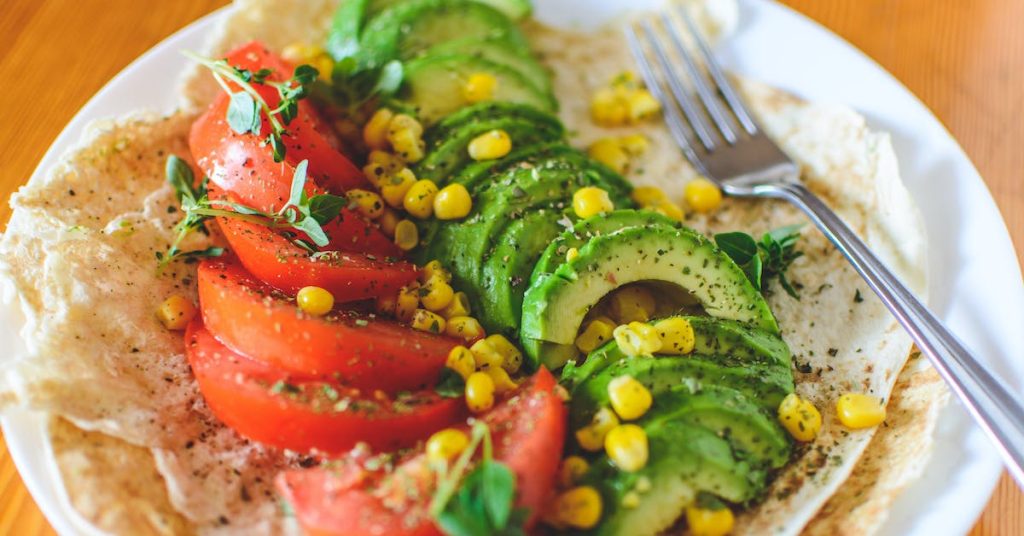
Looking to shed some pounds but find yourself pressed for time in the kitchen? Look no further! This article brings you a compilation of healthy no-cook meals that are not only delicious but also perfect for weight loss. With these simple recipes, you can whip up nutritious and satisfying meals without turning on the stove or oven. Say goodbye to long hours spent cooking and hello to your desired weight loss goals!

Best ways to increase low brown adipose tissue levels naturally!
Understanding the Concept of No-Cook Meals
Definition of no-cook meals
No-cook meals refer to recipes and meal options that require little to no heat to prepare. These meals are perfect for those who want to enjoy a healthy and delicious diet without spending too much time in the kitchen or using cooking methods that may reduce the nutritional value of the ingredients. No-cook meals typically involve the use of fresh, raw, and minimally processed ingredients. They can be a great option for individuals looking to lose weight, as they often contain fewer calories and are packed with nutrients.
Benefits of no-cook meals for weight loss
No-cook meals offer various benefits for those on a weight loss journey. Firstly, these meals are often low in calories, making it easier to create a calorie deficit. By consuming fewer calories than you burn, you can promote weight loss. Additionally, no-cook meals are typically rich in fiber, which aids in digestion and helps you feel full for longer, preventing overeating. They also provide an abundance of vitamins, minerals, and antioxidants, which are essential for overall health and can support weight loss by boosting metabolism and energy levels.
General guidelines for preparing no-cook meals
When preparing no-cook meals, it is important to ensure that the ingredients you use are fresh and of high quality. Choose organic fruits and vegetables whenever possible to avoid harmful pesticides. Opt for lean protein sources such as grilled chicken, turkey, or tofu. Incorporate whole grains like quinoa or brown rice for added fiber and nutrients. To enhance the flavors of your no-cook meals, use herbs, spices, and healthy fats like olive oil or avocado. Lastly, always practice proper food hygiene by washing fruits and vegetables thoroughly, storing meals safely, and being mindful of cross-contamination.
Importance of a Balanced Diet in Weight Loss
Role of protein in weight loss
Protein plays a crucial role in weight loss as it helps to build lean muscle mass and boosts metabolism. When you consume an adequate amount of protein in your meals, it keeps you feeling fuller for longer, reduces cravings, and helps to stabilize blood sugar levels. Including protein in your no-cook meals is essential, and options such as Greek yogurt, eggs, chicken breast, or canned tuna can be excellent sources of high-quality protein.
Role of dietary fiber in weight loss
Dietary fiber is another important component of a balanced diet, especially for weight loss. Fiber helps to promote satiety, regulates bowel movements, and aids in the digestion and absorption of nutrients. By including fiber-rich foods in your no-cook meals, such as fruits, vegetables, whole grains, and legumes, you can effectively manage your weight and improve overall gut health.
Role of healthy fats in weight loss
Contrary to popular belief, healthy fats are actually beneficial for weight loss. Including sources of healthy fats, such as avocados, nuts, seeds, and olive oil, in your no-cook meals can help increase satiety, enhance flavors, and support the absorption of fat-soluble vitamins. Healthy fats also provide a sense of satisfaction, preventing overeating and promoting sustainable weight loss.
Essence of portion control
While no-cook meals can be healthy and nutritious, it is still important to practice portion control to achieve your weight loss goals. Even though these meals are generally lower in calories, consuming excessive amounts can hinder weight loss progress. Be mindful of portion sizes, listen to your body’s hunger and fullness cues, and aim for a balanced plate that includes a variety of food groups. By practicing portion control, you can enjoy the benefits of no-cook meals while still creating a calorie deficit for weight loss.

Easy No-Cook Breakfast Options
Overnight oats recipes
Overnight oats are a popular no-cook breakfast option that is not only delicious but also highly customizable. Simply combine rolled oats with your preferred milk (dairy or plant-based), add sweeteners like honey or maple syrup if desired, and mix in toppings such as fresh fruits, nuts, or seeds. Refrigerate the mixture overnight, and in the morning, you’ll have a creamy and nutrient-packed breakfast ready to enjoy.
Chia seed pudding variations
Chia seed pudding is another simple and nutritious no-cook breakfast idea. Mix chia seeds with milk, a sweetener of your choice, and additional flavorings such as vanilla extract or cocoa powder. Let the mixture sit in the refrigerator for a few hours or overnight until it thickens into a pudding-like consistency. Top it with fresh fruits, nuts, or granola for added texture and flavor.
Smoothie bowl combinations
Smoothie bowls are not only a delicious and refreshing breakfast option but also a great way to incorporate a variety of nutrients into your morning routine. Blend together your favorite fruits, a liquid base like coconut water or almond milk, and some leafy greens for an extra nutritional boost. Pour the smoothie into a bowl and top it with toppings like sliced bananas, berries, granola, or shredded coconut.
Yogurt and fruits
If you’re in a hurry, a simple combination of yogurt and fruits can make for a quick and satisfying no-cook breakfast. Choose a plain Greek yogurt or a dairy-free alternative and add fresh fruits like berries, sliced peaches, or diced mango. You can also sprinkle some granola or chopped nuts on top for added crunch and a boost of protein.
No-Cook Lunch Ideas for Weight Loss
Salad options
Salads are a versatile and nutritious choice for a no-cook lunch. Start with a bed of leafy greens like spinach or mixed greens, and add a variety of vegetables such as cucumbers, cherry tomatoes, bell peppers, or carrots. Include a lean protein source like grilled chicken, boiled eggs, or chickpeas for extra satiety. Top it off with a homemade dressing using ingredients like olive oil, balsamic vinegar, lemon juice, and herbs.
Wrap and sandwich recipes
Wraps and sandwiches can be excellent options for a satisfying and portable no-cook lunch. Use whole grain wraps or bread and layer it with ingredients like lean deli meat, turkey breast, sliced avocado, lettuce, and tomato. Add a spread such as hummus, mustard, or pesto for extra flavor. Roll up the wrap or pack the sandwich, and you have a wholesome and filling meal ready to enjoy.
Cold pasta salad recipes
Cold pasta salads can be a refreshing and nutritious addition to your no-cook lunch options. Opt for whole grain or chickpea pasta to increase fiber and protein content. Toss the cooked pasta with a variety of fresh vegetables such as cherry tomatoes, cucumbers, and olives. You can also add feta cheese, grilled chicken, or shrimp for added flavor and protein. Dress the salad with a light vinaigrette or a creamy dressing made from Greek yogurt for a healthier twist.
Avocado-based lunch meals
Avocado is a versatile ingredient that can be used to create delicious and nutritious no-cook lunch meals. Mash ripe avocados and use them as a spread on whole grain crackers or rice cakes. Top them with smoked salmon, cherry tomatoes, and a sprinkle of black pepper for a light and satisfying lunch option. You can also make a quick and easy guacamole by combining mashed avocados with diced tomatoes, onions, lime juice, and cilantro. Serve it with vegetable sticks or whole grain tortilla chips for a filling and healthy meal.

Healthy No-Cook Dinner Choices
Tofu and vegetable salad
A tofu and vegetable salad is a protein-packed and refreshing option for a no-cook dinner. Cube firm tofu and combine it with a variety of colorful vegetables like bell peppers, carrots, and cucumber. Add chopped herbs like cilantro or mint for an extra burst of flavor. Prepare a dressing using soy sauce, sesame oil, ginger, and lime juice. Toss the ingredients together and enjoy a light and satisfying meal.
Cold soba noodles recipes
Cold soba noodles are a tasty and simple no-cook dinner option. Cook the soba noodles according to package instructions, rinse them under cold water, and let them cool completely. Toss the noodles with thinly sliced cucumbers, scallions, and shredded chicken or tofu. Prepare a tangy dressing using soy sauce, rice vinegar, sesame oil, and honey. Serve the soba noodles chilled, and you have a refreshing and nutritious dinner ready in minutes.
Garbanzo bean options
Garbanzo beans, also known as chickpeas, are a versatile legume that can be used as a base for a variety of no-cook dinner options. Mash them to create a flavorful hummus dip, and serve it with vegetable sticks or whole grain crackers. Alternatively, toss cooked garbanzo beans with chopped vegetables, feta cheese, and a light dressing to create a Mediterranean-inspired salad. You can also add them to a vibrant Buddha bowl along with a variety of vegetables, quinoa, and a drizzle of tahini dressing.
Quinoa and veggie mixtures
Quinoa is a nutritious and protein-rich grain that can be the star of a hearty no-cook dinner. Cook quinoa according to package instructions and let it cool. Combine it with a variety of chopped vegetables such as cherry tomatoes, cucumbers, bell peppers, and red onions. Add in some black beans or grilled shrimp for added protein. Toss the ingredients together with a light vinaigrette made from olive oil, lemon juice, and herbs. This quinoa and veggie mixture can be served immediately or chilled for a refreshing dinner option.
Snacks and Mini Meal Ideas
Fruit and nut combos
Fruit and nut combinations make for a satisfying and nutritious snack or mini meal. Pair a piece of your favorite fruit, such as an apple or banana, with a handful of nuts like almonds, walnuts, or cashews. The combination of natural sugars from the fruit and the healthy fats and protein from the nuts will keep you energized and satiated between meals.
Veggie sticks and hummus
Veggie sticks and hummus are a classic and nutritious snack option. Slice up colorful vegetables like carrots, celery, bell peppers, or cucumber into sticks. Pair them with a serving of hummus, either store-bought or homemade, for a delicious and fiber-rich snack that will keep you feeling full and satisfied.
Greek yogurt blends
Greek yogurt is not only a great source of protein but also a versatile ingredient that can be transformed into various snacks and mini meals. Mix plain Greek yogurt with a drizzle of honey, a sprinkle of granola, and some fresh berries for a healthy and filling parfait. You can also blend Greek yogurt with frozen fruits and a splash of milk to create a creamy and nutritious frozen yogurt treat.
Smoothie recipes
Smoothies are a quick and convenient way to enjoy a snack or mini meal. Blend together a combination of fruits, a liquid base like almond milk or coconut water, and some greens like spinach or kale for an extra nutrient boost. You can also add protein powder, nut butter, or chia seeds for additional protein, healthy fats, and fiber. Pour your smoothie into a portable container, and you’ll have a refreshing and nourishing snack to enjoy on-the-go.

Refreshing No-Cook Beverages
Detox water recipes
Detox water is a refreshing and flavorful way to stay hydrated. Infuse water with a variety of sliced fruits, vegetables, and herbs to create different flavors. Try combinations like lemon and mint, cucumber and lime, or strawberry and basil. Let the ingredients infuse in the water for a few hours in the refrigerator to allow the flavors to blend. Sip on detox water throughout the day to keep hydrated and add a touch of natural flavor.
Healthy smoothie recipes
Smoothies are not only a great snack option but also a refreshing beverage choice. Blend together your favorite fruits, a liquid base like coconut water or almond milk, and some ice for a chilled and satisfying smoothie. You can also experiment with adding greens like spinach or kale for an extra boost of vitamins and minerals.
Herbal iced tea options
Herbal iced tea is a refreshing and caffeine-free alternative to traditional tea. Brew herbal tea bags like chamomile, peppermint, or hibiscus in a jug of cold water in the refrigerator for a few hours or overnight. The result is a naturally flavored and cooling beverage that can be enjoyed throughout the day, especially during hot weather.
Fruit-infused water ideas
Similar to detox water, fruit-infused water allows you to add a burst of flavor to plain water. Simply add slices of your favorite fruits such as oranges, berries, or watermelon to a jug of water and let it sit in the refrigerator for a few hours. The fruit flavors will infuse the water, creating a refreshing and delicious beverage that will encourage you to stay hydrated.
Safe Food Handling for No-Cook Meals
Proper washing of fruits and vegetables
When preparing no-cook meals, it is vital to wash fruits and vegetables thoroughly to remove any dirt, bacteria, or pesticides. Use clean running water and scrub the produce gently with a vegetable brush if necessary. For leafy greens, separate the leaves and rinse them individually to ensure proper cleaning. It is also important to wash fruits and vegetables even if you plan to peel them, as bacteria can transfer from the outer layer to the edible parts.
Safe storage of no-cook meals
Proper storage of no-cook meals is crucial to maintain their freshness and prevent foodborne illnesses. Store perishable ingredients, such as cut fruits and vegetables, in airtight containers in the refrigerator to slow down bacterial growth. Keep different types of ingredients separated to prevent cross-contamination. If you’re preparing meals in advance, portion them into individual containers for easy grab-and-go options. Be mindful of the expiration dates of ingredients and discard any spoiled or expired items.
Expiration and freshness of ingredients
When creating no-cook meals, it is important to check the expiration dates of ingredients and ensure their freshness. Examine fruits and vegetables for any signs of spoilage, such as mold or discoloration. If the ingredients don’t pass the freshness test, discard them to avoid foodborne illnesses. It is always better to use fresh and high-quality ingredients to ensure the safety and taste of your no-cook meals.
Cross-contamination concerns
Cross-contamination can occur when bacteria from raw or uncooked food comes into contact with ready-to-eat food, increasing the risk of foodborne illnesses. To prevent cross-contamination, use separate cutting boards, knives, and utensils for raw meats, fruits, and vegetables. Wash your hands thoroughly between handling different ingredients and always clean surfaces and utensils with hot, soapy water to remove any potential bacteria.

Factors to Consider when Choosing Ingredients
Choosing organic fruits and vegetables
Opting for organic fruits and vegetables can have several benefits. Organic produce is grown without the use of synthetic pesticides, fertilizers, or genetically modified organisms (GMOs). By choosing organic, you can reduce your exposure to potentially harmful chemicals and support sustainable farming practices. Organic produce also tends to be fresher and higher in nutritional value, making it a great choice for creating healthy and nourishing no-cook meals.
Selecting high-quality protein sources
When selecting protein sources for your no-cook meals, it is important to choose high-quality options. Look for lean proteins such as skinless chicken breast, turkey, or fish. If you follow a plant-based diet, opt for tofu, tempeh, or legumes like chickpeas or black beans. High-quality protein sources are essential for optimal muscle growth and repair, as well as for providing satiety and energy throughout the day.
Incorporating whole grains
Whole grains are an important part of a balanced diet, providing essential nutrients and fiber. When creating no-cook meals, consider incorporating whole grain options like quinoa, brown rice, or whole wheat bread. These grains are less processed and contain more fiber, vitamins, and minerals compared to refined grains. Whole grains can contribute to better digestion, increased satiety, and improved overall health.
Opting for healthy fat sources
Including healthy fats in your no-cook meals is essential for providing flavor and supporting various bodily functions. Opt for sources of healthy fats such as avocados, nuts, seeds, and olive oil. These fats can help to lower bad cholesterol levels, reduce inflammation, and support heart health. Healthy fats also provide a feeling of fullness and satisfaction, which can prevent overeating and aid in weight loss.
Additional Tips for a Successful Weight Loss Journey
Incorporating regular exercise
While a healthy diet plays a significant role in weight loss, incorporating regular exercise is equally important. Adding exercise to your routine can increase calorie expenditure, build lean muscle mass, improve cardiovascular health, and enhance overall well-being. Aim for a combination of cardiovascular exercises, strength training, and flexibility exercises to maximize the benefits of your weight loss journey.
Staying hydrated
Proper hydration is crucial for overall health and weight loss. Drinking an adequate amount of water throughout the day helps to maintain bodily functions, regulate appetite, and prevent overeating. Start your day with a glass of water, carry a reusable water bottle with you, and make it a habit to drink water before, during, and after meals. Stay hydrated by also incorporating hydrating foods into your no-cook meals, such as cucumber, watermelon, or citrus fruits.
Getting adequate sleep
Adequate sleep is often overlooked but is essential for weight loss and overall well-being. Lack of sleep can disrupt hunger and satiety hormones, leading to increased cravings, imbalances in blood sugar levels, and a slower metabolism. Aim for 7-9 hours of quality sleep each night to support your weight loss efforts. Establish a bedtime routine, create a sleep-friendly environment, and minimize electronic device usage before bed to improve sleep quality.
Managing stress and emotional eating
Stress can have a significant impact on weight loss efforts by triggering emotional eating and cravings for unhealthy foods. Finding healthy ways to manage stress, such as through meditation, exercise, or creative hobbies, can help reduce emotional eating episodes. Practice self-awareness and mindfulness when it comes to your eating habits, and seek support from friends, family, or professionals if needed. By managing stress effectively, you can maintain a healthier relationship with food and support your weight loss journey.
In conclusion, understanding the concept of no-cook meals and their benefits for weight loss can be a game-changer for individuals seeking a healthier lifestyle. By incorporating these easy and delicious no-cook meal options into your daily routine, such as overnight oats, salads, and smoothies, you can enjoy nutrient-packed meals while promoting weight loss. Remember to focus on a balanced diet that includes protein, dietary fiber, and healthy fats, and to practice portion control for successful weight loss. Additionally, prioritize safe food handling, choose high-quality ingredients, and follow additional tips like regular exercise, hydration, adequate sleep, and stress management to support your weight loss journey. With a little planning and creativity, you can create a variety of flavorful and satisfying no-cook meals that contribute to your overall well-being and weight loss goals.