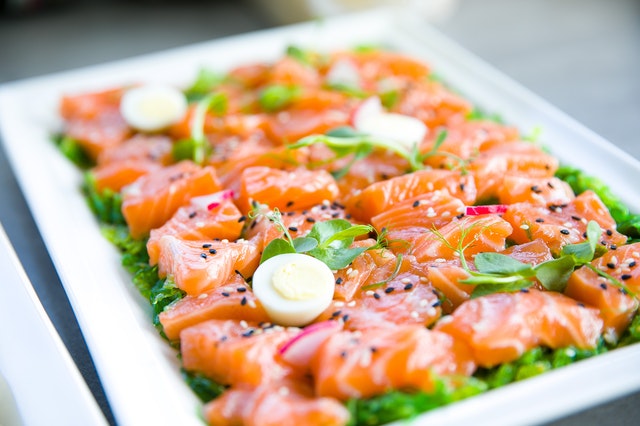
What is an anti-inflammatory diet
What is inflammation? All About Inflammation.
Infections or injuries trigger a natural immune system’s response called inflammation. Inflammation is a vital natural process and is highly beneficial in a normal situation, it fosters the healing process and prevents bacteria or viruses from developing. Medical buzzword ‘inflammation’ involves the repairing of the body as a natural response. Classical signs are severe pain, rash, swelling, and loss of appropriate functioning of a certain body part. Acute inflammation if linger in some cases even with medications can be a root cause of chronic health issues like, arthritis, Alzheimer’s, diabetes mellitus, cancer, and cardiovascular disorders.
What is an anti-inflammatory diet?
The anti-inflammatory diet is an eating plan programmed to prevent or reduce chronic inflammation, a key risk factor that can boost several major diseases. The goal of this diet is not to eliminate natural inflammation but to prevent inflammatory disorders and to improve overall health. A classic anti-inflammatory diet emphasizes lean protein, fruits, vegetables, nuts, seeds, and healthy fats.
It is also beneficial to add some inflammation herbs and spices like Tumeric, Cayenne pepper, and ginger. A diet is not complete without proper beverages, this is why the consumption of healthy green juice and tea is recommended. To reduce inflammation one can also include healthy tea as part of their diet: Ayurvedic Anti-Inflammatory tea available on Amazon and the large choice of tea on Buddha Teas like the Tumeric Ginger Tea are perfect for this diet.
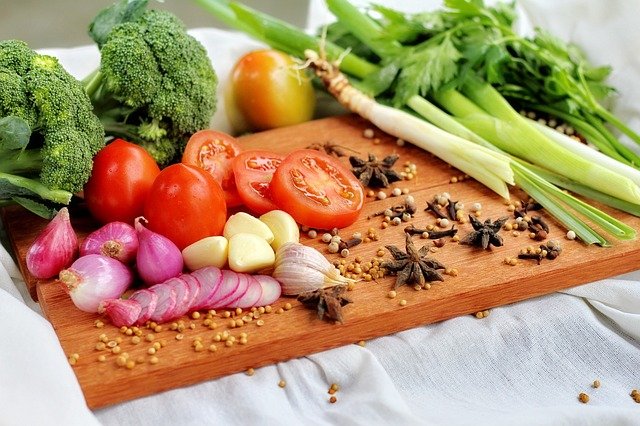
Anti-inflammatory Diet History
The first anti-inflammatory diet was suggested in a book named ’The Zone’. The main focus of this book was to ultimately reduce the intake of omega-6 and other saturated transfats whereas, it allowed the people to consume slight excess of carbohydrates and low-fat protein. The recommendations extended to have 40% low-glycemic foods, 30% low-fat proteins and 30% monounsaturated fats. It was a calorie-restricted diet as the RDA for females was 1200cal and for males was 1500cal per day.
A celebrity doctor Andrew Weil who practices alternative medicines suggested the anti-inflammatory meal plan that was based on the Mediterranean diet with a few changings in it. He introduced the meal plan having a mixture of carbs, proteins and fats that provide 2000-3000 calories per day.
Anti-inflammatory Dietary Changes
Prehistorically, people used to eat white willow bark and frankincense to get relief from inflammation as they act like aspirin. Research published in the International Immunopharmacology involved 30-35 people and proved that Maritime Pine Bark also termed as Pycnogenol can efficiently decrease the inflammatory symptoms.
Latest researches in the areas of inflammation have suggested various functional foods for the treatment of inflammatory disorders. Making key dietary choices in your daily meals can make a clear difference to treat your inflammatory disorders and people around the globe have been prioritizing the functional foods that come up with considerable health benefits like:
- Antioxidant-rich foods like fresh vegetables and fruits, defend the body from the harm caused by free radicals.
- Polyphenols like anthocyanins (present in berries) prevent the inflammation process.
- Omega-3 fatty acids like fish and nuts help to cease the formation of inflammatory components.
- Fiber enriched foods like lentils and beans are beneficial nutrients for lowering the inflammatory level.
Anti Inflammatory Foods List
In general, anti-inflammatory foods are the ones containing antioxidants and polyphenols. Fruit and vegetables are great sources of polyphenols like kaempferol and quercetin in bananas or anthocyanins and catechins in cherries. Nuts and seafood are excellent sources of healthy omega-3 fatty acids that contain quercetin and resolvins and protectins molecules.

| Fruits and vegetables | Nuts, Beans, grains, and legumes | Seafood and meat | Herbs and Spices |
| Berries Cherries Apple Cocoa fruit Grapes Rosehip Tomato Avocado Artichoke Sweet potato Mushroom Broccoli Dark green leafy vegetables Beetroot Pineapple Spinach Collard greens Kale Kiwi Lime Mache (Lamb’s lettuce) Green leafy chard Pak Choi Pomegranate Brassica oleracea (Brussels sprouts) Cauliflower Nectarine Orange Persimmon fruit Plum Zucchini | Brown rice Adzuki beans Cashew Anasazi beans Black-eyed peas Chickpeas Cocoa beans Khorasan wheat Lentils Oats Red beans Chia seeds Black beans Buckwheat groats Pinto beans Almonds Pecans Peanuts Walnuts Hazelnuts Flaxseed Extra olive oil Whole-grain quinoa Whole-grain millet Whole-soy foods | Salmon Herring Sablefish Sardines Alaska Pollock Shrimp Mackerel Herring Anchovies Oysters Tuna Tilapia Pangasius Skinless chicken and eggs Skinless turkey Lean pork | Chili pepper Curry powder Bell pepper Red pepper Cayenne pepper Green tea White tea Black tea Oolong teas Chamomile tea Lemongrass Ginger Tumeric Cinnamon Garlic Holy basil Funnel Syzygium aromaticum (cloves) Rosemary Thyme Basil |


Best Anti-Inflammatory oils
When it comes to choosing a good oil, there are two main things to keep in mind: the raw products and the fabrication process. Unrefined oils or extra virgin oils are the best choices. Here is a list of the 10 best oils to reduce inflammation:
- Avocado oil
- Coconut oil
- Almond oil
- Olive oil
- Canola oil
- Flaxseed oil
- Grapeseed oil
- Sesame oil
- Peanuts oil
- Walnut oil
There are many other choice of foods that help reducing inflammation, such as:
- A bar of delicious dark chocolate (at least 70% cocoa)
- One regular glass of red wine a day
- Prepare healthy bone broth recipes, find some ideas on Amazon
- Foods that contain probiotics and prebiotics like yogurt and turmeric sauerkraut
- Probiotic chocolate by Sakara
We also have a large choice of health supplements that can help to keep a normal inflammatory response. This is convenient for people who do not have much time to cook and for the ones who follow a diet for specific needs. Most common anti-inflammatory supplements include:
- omega-3 supplements
- natural supplements for digestion
- supplements for joints health
- supplements for the immune system
- natural supplements for sleeping
- natural supplements for constipation
- natural energy boost supplements
- anti-aging supplements
- skin health supplements

Inflammatory Foods List
Foods high in omega-6 fatty acids increase the production of inflammatory chemicals. Omega-6 fatty acids containing foods help to regulate metabolism, maintain bone health, and promote brain function. Balancing the intake of omega-6 fatty acids with the intake of omega-3 fatty is a good way to keep inflammation in check. Some dairy products, high saturated-fat meat, refined vegetable oils, trans fats, highly processed foods, refined carbohydrates, sugar-sweetened beverages, fried foods, high-sodium foods, and junk foods. Here are a few examples:
- butter
- ice cream
- margarine
- potato chips
- pretzels
- ham
- beef jerky
- sausages
- french fries
- soda
- white bread
Finding clues to improve your inflammatory symptoms and understanding the know-how of inflammation is a must-have before you grasp the anti-inflammatory meal plans. Now, find on the next page a 1-day meal-prep that might assist you in managing inflammatory disorders.